
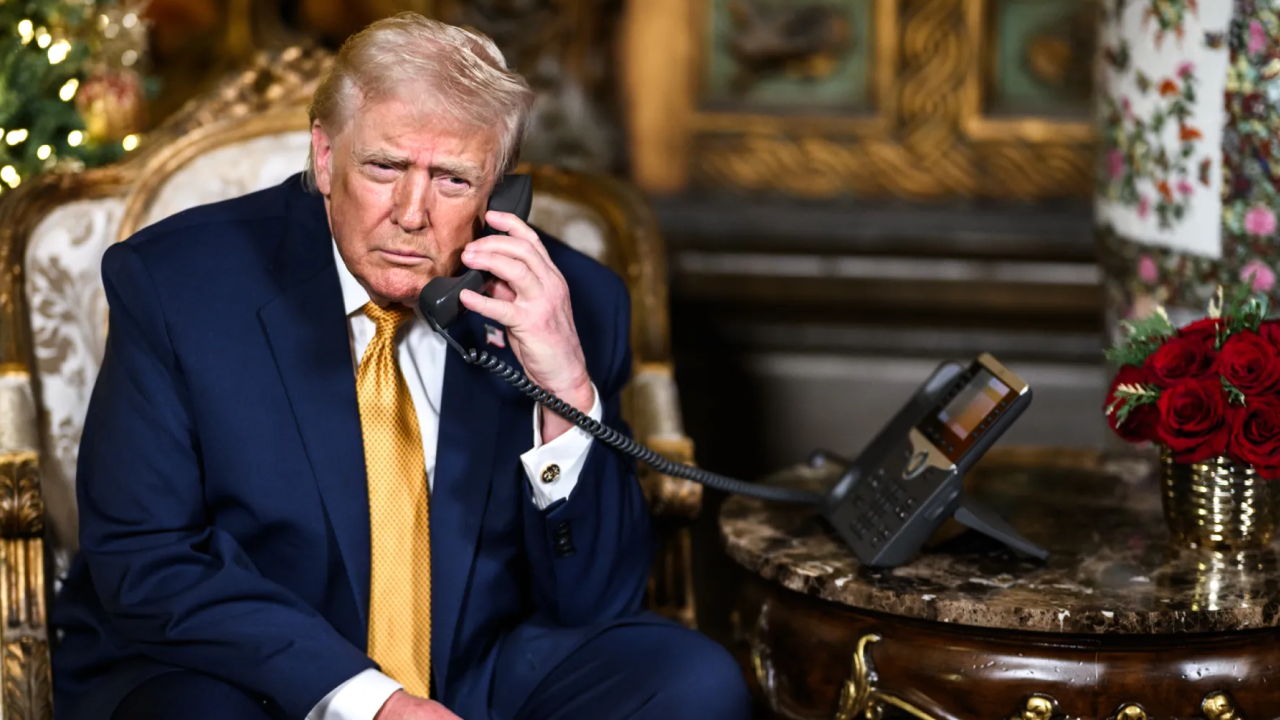
According to the US Supreme Court, the reciprocal tariffs imposed by Donald Trump are illegal: the ruling arrived on Friday, February 20
The reciprocal tariffs introduced by President Donald Trump on the occasion of “Liberation Day” on April 2, 2025, have been ruled illegal by the United States Supreme Court. The reason revolves around the methods by which they were applied. Let’s quickly see what happened.
US Supreme Court: “Congressional authorization is required”
On the Italian afternoon of February 20, the United States Supreme Court ruled on the legality of the reciprocal tariffs imposed by Donald Trump.
Chief Justice John Roberts drafted the majority opinion, which reads: “President Trump claims the extraordinary power to unilaterally impose tariffs of unlimited magnitude, duration, and scope. Given the breadth, history, and constitutional framework of such claimed powers, he must demonstrate clear Congressional authorization to exercise them“.
In short, SCOTUS – the Supreme Court of the United States – is telling us that the emergency powers Trump attempted to invoke, therefore, “are not sufficient“.
The tariffs, in fact, were introduced by bypassing the standard procedure that requires approval from the United States Congress: to do so, Donald Trump appealed to IEEPA, the International Emergency Economic Powers Act.
IEEPA, for context, is a US federal law that allows the President to declare the existence of “a threat to the national security, foreign policy, or economy of the United States” that originates “in whole or substantial part outside the United States” – as stated in Article 50 of the United States Code – and act accordingly.
In this case, according to Trump, the trade deficit between the United States, heavy importers, and the rest of the world, which exports heavily to the US, constituted a threat to the national economy. And tariffs represented the tool to reduce this disparity.
The blocked tariffs are a stinging defeat for Trump
To understand the scale of the event, we must contextualize it politically: this ruling is, according to many analysts, the most significant legal defeat that the second Trump administration has suffered from a conservative-majority Supreme Court. There is, however, one unresolved issue: if the tariffs are unconstitutional, what happens to the money already collected?
The Supreme Court, in fact, while declaring the maneuver illegal, did not specify what should happen to the over 130 billion dollars in tariffs already collected by the federal government. An issue that will most likely translate into an avalanche of lawsuits from damaged importing companies.
What’s next?
According to some sources, President Trump reportedly stated that this decision “is a disgrace” and that “I have a backup plan“. The fundamental point, however, is one: Trump’s trade strategy, based on using tariffs as a negotiating lever against everyone, has just been neutralized by his own country’s judiciary.
How will the markets react to this sharp change? Sign up to Young Platform, and we’ll tell you all about it!